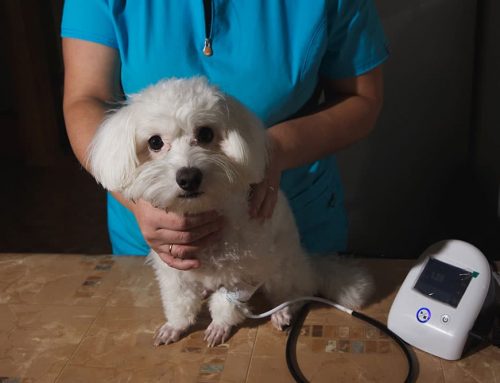
Keeping your dog safe at daycare starts before day one, with the questions you ask up front and the vaccines already in place. A tour shows you what a facility wants you to see, so ask directly about staff-to-dog ratios, how groups are matched, and what happens when play turns tense. Vaccines and parasite prevention lower the odds of catching something in a crowd, but they do not erase it, and no amount of supervision makes group play right for a dog who finds it overwhelming. Getting those pieces right is the difference between a dog who comes home happily tired and one who returns sick, hurt, or anxious.
Handing your dog over to a room full of strangers for the day takes trust, and Advanced Veterinary Medical Center in Milpitas can help you go in with fewer unknowns. A wellness visit beforehand is where we confirm the vaccines and parasite prevention local daycares ask for, make sure a puppy is far enough along in their shots, and talk honestly about whether a busy playgroup suits your dog's temperament. If your dog comes home with a scrape, a cough, or a limp, we can usually see urgent cases the same day, so call ahead and we will work you in. Before your dog's first day, schedule a visit and we will make sure nothing gets missed.
What to Have in Place Before the First Drop-Off
- The questions you ask before the first drop-off tell you more than any tour or website will.
- Vaccines and parasite prevention lower the odds of your dog catching something in a crowd, but they don't take the risk to zero.
- Group play suits a lot of dogs and makes others miserable, and choosing to skip it is a perfectly good answer.
- A wellness exam a week or two ahead catches the gaps: a lapsed booster, an overdue fecal test, a sore hip nobody noticed.
What Should You Ask Before You Book a Trial Day?
A tour shows the lobby; the questions show the playroom. Safe group play comes down to dogs matched by size and play style, handlers who interrupt a chase before it becomes a pile-on, and rest breaks nobody skips, none of which a big open yard provides on its own. A dog gains confidence through structured socialization, steady positive exposure with someone stepping in before play tips over, and a careless facility undoes that as fast as a good one builds it.
| What to ask | A solid answer sounds like | Red flag |
| Staff-to-dog ratio | A real number per group, with a handler in the room at all times | "It depends," or a count that includes the front desk |
| Handler training | Body language, de-escalation, first aid, and CPR, refreshed regularly | "Everybody here loves dogs" |
| Temperament screening | A required evaluation plus a short trial before full days | Same-day admission, no assessment |
| Grouping and introductions | Sorted by size, age, and play style, introduced slowly | One big mixed group all day |
| When play gets tense | Early interruption, a rest break, a call to you if it escalates | "Dogs sort it out themselves" |
| Rest protocols | Scheduled downtime in individual spaces | Open play from drop-off to pickup |
| Injury and illness response | A written protocol and a call to you the same day | You find out at pickup |
| Cleaning | Named disinfectants and contact times, sealed or rubberized floors | "We hose it down" |
| Seniors and medical needs | Medication given on schedule, shorter days, quieter groups | No accommodations offered |
| Watching your dog | Cameras or a viewing window | No visibility into the play areas |
Our wellness packages bundle the pre-daycare exam with the vaccines and testing facilities ask to see, so your dog will be set for their first day.
What to Ask About the Building and the Yard
Milpitas tests a building three ways: stretches of 90-degree afternoons in late summer, smoke days some falls, and weeks of winter rain. Ask how the play yard is shaded and cooled, at what point dogs come indoors, and how staff recognize a dog in heat trouble early, since flat-faced breeds, seniors, heavy dogs, and any dog with heart or airway disease overheat faster than the rest of the room.
On indoor days, enrichment, scent games, and structured training beat a crowded room with nothing to do, where scuffles start. Ask how toys and food are managed, since resource guarding is a common trigger, and check the flooring for traction. If your dog comes home panting hard, wobbly, or brick-red in the gums after a hot afternoon, cool tap water and a fan on the drive in are the right first move, never an ice bath, and we see urgent care cases during our regular hours.
Which Vaccines and Preventives Will a Daycare Require?
Ask any facility for its exact vaccine list and how it verifies records, because the dog with the lapsed booster is the risk to everyone else in the room. Most require the core vaccines plus Bordetella, and some add canine influenza.
| Vaccine | What it covers | Where it usually lands |
| DHPP | Distemper, hepatitis, parvovirus, parainfluenza | Core, required essentially everywhere |
| Rabies | Rabies exposure from wildlife or another animal | Core, universally required |
| Leptospirosis | Bacteria spread through urine-contaminated water and soil | Core in California, commonly required |
| Bordetella | The best-known bacterial player in kennel cough | Non-core, but expected for group settings |
| Canine influenza | Flu strains that move fast through housed groups | Non-core, required by some facilities and after local outbreaks |
Leptospirosis matters more where wildlife and standing water share space with dogs, true of many Bay Area yards after a wet winter. Most facilities also ask for a symptom-free stretch before a dog who's been sick returns.
Shared grass and a quick nose-to-stool moment are how intestinal parasites move through a group, and plenty of dogs shed eggs while acting perfectly fine. A fecal test twice a year beats eyeballing the yard. Monthly heartworm, flea, and tick coverage handles the rest, with no winter off in this climate. Keeping vaccines and year-round parasite prevention current is our job, along with the paperwork a facility wants on file.
Is Group Play Right for Your Dog?
Plenty of dogs love a big playroom and plenty are miserable in one. A dog who thrived in a crowded playroom at two may want one or two familiar friends at eight, because dog tolerance sits on a spectrum that narrows for most dogs as they age, and that shift is normal rather than a behavior problem.
Loose, wiggly greetings, frequent shake-offs, breaks taken voluntarily, and a dog who eats and sleeps normally that night all say yes. Hovering at the door, tucked posture, refusing to hop out of the car, or coming home wired instead of relaxed all say something needs to change: a smaller group, a shorter day, or a different plan entirely.
Quieter alternatives are a real choice, not a consolation prize: a midday walker, one steady playmate, a long sniffy walk, a frozen food puzzle. If your dog is anxious or reactive, talk it over with us before you book a trial day.
What Should You Check Over After Daycare Pickup?
Even a well-run playroom produces the occasional bump. Give your dog a once-over before you pull out of the lot. Run your hands along the neck, shoulders, and hind end, look at both eyes, and watch the first few steps once you're home. Surface scrapes usually clean up with warm water or saline and a quiet day or two. Skip the hydrogen peroxide and the human antibiotic ointments, and never reach for ibuprofen or acetaminophen, since both are dangerous for dogs even in small amounts.
A few findings earn a call. A red, squinting, or weepy eye needs a same-day look, since conjunctivitis and a scratched cornea look identical from the outside and only one of them gets worse by the hour. The puncture you can barely find is the one that matters, because bite wounds push bacteria deep into tissue under skin that seals over within hours. Stiffness that fades in an hour is a hard afternoon of play. A limp still there the next morning, or swelling anywhere along a leg, is where digital X-rays tell us whether it's a bruise or something structural.
What Can Your Dog Catch at Daycare?
Any room full of dogs moves germs around, and the shared risks fall into a few predictable buckets. Vaccination, consistent parasite prevention, and a facility that actually sends sick dogs home do most of the protecting.
- Respiratory: Kennel cough is the usual one, a honking, goose-like noise that follows close contact in shared air, and Bordetella is only one of several organisms behind it. Canine influenza moves faster and adds fever and lethargy.
- Viral: Parvovirus survives in soil and on hard surfaces for months and shrugs off ordinary household cleaners. A facility's vaccine requirements protect your dog far more than a spotless lobby does. Distemper is rarer now and follows the same logic.
- Waterborne: A standing puddle in a play yard is the classic route for leptospirosis, which travels in urine-contaminated water from wildlife or other dogs and can pass to people as well.
- Gut: Soft stool after a busy daycare week often traces back to giardia, picked up from a shared water bowl or damp yard, and some dogs carry it with normal-looking stool.
- Skin and coat: Relentless scratching at the ear margins, elbows, and belly a week or two after group play points toward sarcoptic mange, which spreads by direct contact and leaves itchy bumps on people too. Fleas hitch a ride home from any group, and ringworm travels on shared bedding.
We run in-house bloodwork, urine, and fecal testing when a dog comes back coughing, scratching, or having accidents indoors, and a skin scraping separates mites from an allergy flare before anyone guesses at treatment.
Is a Good Daycare Safer Than the Dog Park?
The real difference isn't the dogs, it's what happens before they meet. Nobody checks vaccine records, screens temperaments, or steps in when play sours at a public park, and dog park risks look different from the risks inside a facility that does all three before a dog ever walks through the gate.
That doesn't make parks off-limits. A confident, social dog whose handler shows up at quiet hours, reads the crowd, and leaves early can have a great time. Trouble starts when the park is packed, when a group fixates on one dog, or when nobody calls it before it tips. If you want a second opinion on the fit, our veterinarians are happy to give you one.
When Can a Puppy Start Daycare?
General daycare waits until the core vaccine series is complete, because a puppy's immune system is still catching up and a shared playroom is exactly where parvovirus and kennel cough circulate. Some facilities run dedicated puppy groups with stricter health rules and tighter supervision, and those can be reasonable further along in the series.
For a puppy program, ask whether groups are matched by age and size, how long sessions run and whether napping is mandatory, what disinfectant the puppy room gets and how often, whether it's fully separate from adult dogs, and whether handlers are trained on puppies specifically. Where your puppy sits in the vaccine series comes first, and new puppy care at Advanced Veterinary Medical Center covers that schedule alongside deworming and the readiness conversation.
Puppy Class, Daycare, or the Dog Park?
The puppy socialization window starts closing around 12 weeks, well before the core vaccine series wraps up. A puppy who waits for the final booster misses the exact weeks that shape how he reads the world.
Structured classes thread that needle: cleaned, sealed indoor surfaces, proof of vaccines at the door, age-matched classmates, and an instructor managing every interaction. Dog parks sit at the opposite end, with unknown vaccine status, contaminated ground, and adult dogs who don't read puppy signals well. Once the series is done and classes have gone smoothly, daycare is a short step. Puppy vaccine and deworming visits are where we map out what's safe and when.
How Do You Set Up a Smooth First Day?
Handle the health and paperwork a week or two ahead so the trial day is only about whether your dog enjoys the group. Keep drop-off short and boring, since a long emotional goodbye teaches a dog that something big is happening. Then tell the staff the honest version of your dog, including medication schedules, anxiety triggers, physical limitations, and any history of guarding toys, food, or people.
- A wellness exam a week or two out: enough runway for an updated vaccine to count before day one.
- Preventives and a fresh fecal sample: current heartworm, flea, and tick coverage, plus the stool test facilities want on file.
- Documentation in hand: vaccine records, your contact numbers, and our clinic listed as your dog's veterinarian.
- A short first visit: a half day beats a full one while you learn how your dog handles the room.
- A light breakfast: a big meal right before hard play is a setup for an upset stomach.
- A normal evening after: tired and settled is the goal, while wired, sore, or hiding says shorten the visits.
Frequently Asked Questions About Dog Daycare
How often is too often for daycare?
Most dogs do better with two or three days a week than five. Full days of high arousal add up, and a chronically overtired dog gets shorter-fused with other dogs, not better with them. Watch the pattern at home rather than the single day: if your dog seems stiff, restless in the evenings, or pickier about canine company over a few weeks, cut back and see whether things settle.
My dog came home with a few scratches. Should I worry?
Superficial scratches are common in group play and usually need nothing more than a gentle cleaning and a day of watching. What changes the answer is depth. Swelling, warmth, a scab with discharge underneath, pain when you touch the area, or a puncture from a tooth all deserve a call, because those turn into abscesses days after they looked fine.
Why doesn't my dog want to go anymore?
A dog who loved daycare and now plants their feet at the door is reporting that something changed. A new group, a scuffle you never heard about, staff turnover, or a facility running at higher capacity can all do it. Pain is the other common answer, and the one families miss most: arthritis, an ear infection, or a sore tooth shortens any dog's patience. An exam is the fastest way to rule that in or out.
Getting Your Dog Ready for Their First Day of Daycare
The right daycare for the right dog is a real gift, one that hands you a tired, contented dog and an afternoon you didn't spend worrying. The wrong fit shows up as a sick dog, a sore dog, or one who won't get out of the car, and a little groundwork prevents most of it. Advanced Veterinary Medical Center in Milpitas can handle the vaccines and fecal test and give you an honest read on the fit. Schedule a pre-daycare exam and we'll sort out the details together.